strait of hormuz Trend Intelligence & Search Volume
Historical search momentum, regional interest breakdown, and peak trajectory analysis
🔥 CURRENTLY TRENDING: "strait of hormuz" is actively spiking right now (12,000 active queries) with a live search momentum score of 28.6.
Explore real-time data on the Live Trend Terminal →
8,008,100
Lifetime Volume
136
Days Tracked
605,400
Single-Day Peak
#1
Best Global Rank
AE
Primary Country
📖 Overview & Cultural Context for "strait of hormuz"
#
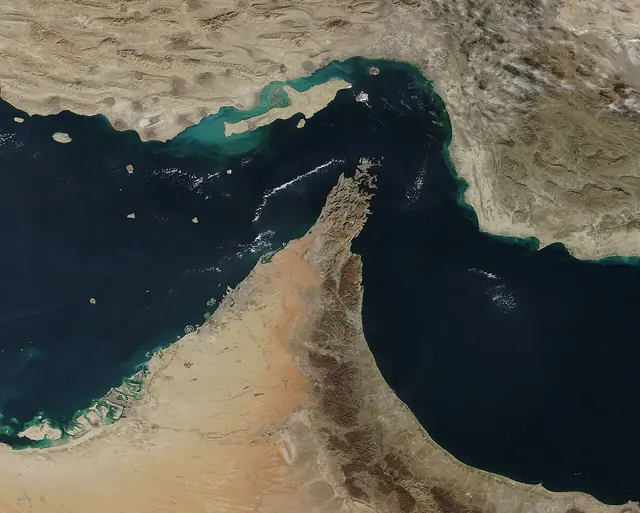
The **Strait of Hormuz** is a strategically vital waterway situated between Oman and Iran, connecting the Persian Gulf with the Gulf of Oman. This narrow strait is crucial for global oil transportation, with approximately 20% of the world’s petroleum passing through it. Recent surges in search activity, particularly in New Zealand, indicate a significant uptick in public interest, with 5,000 searches and an extraordinary growth rate of 800%. This spike is not merely coincidental but is likely tied to recent geopolitical tensions and market dynamics affecting global energy prices and security.
## Data Analysis
The dramatic increase in search volume around the Strait of Hormuz suggests heightened public awareness and concern regarding events impacting this crucial maritime route. The figure of 5,000 searches, combined with the unprecedented growth rate of 800%, indicates that this topic has gained traction not just locally but also across two countries, likely influenced by media coverage or significant geopolitical incidents.
Analyzing data trends, the current momentum can be attributed to a confluence of factors: 1) rising tensions in the Middle East, particularly involving Iran and its neighbors; 2) fluctuations in oil prices as global markets react to perceived threats to supply routes; and 3) renewed discussions around energy security, especially as countries reassess their energy dependencies in light of ongoing global shifts towards renewable energy sources.
## Cultural Context
The interest in the Strait of Hormuz from a New Zealand perspective may seem distant, but the interconnected nature of global markets means that geopolitical instability in one region can have profound implications worldwide. New Zealand, like many nations, is affected by fluctuations in oil prices, which impact everything from transportation costs to inflation rates. As consumers experience increased prices at the pump or in goods and services, it's natural for them to seek information on the causes of these changes, hence the spike in search interest.
Moreover, the global discourse around energy transition and sustainability has made consumers more aware of the fragility of current energy systems. As discussions about moving away from fossil fuels intensify, events that threaten oil supplies can trigger heightened scrutiny and anxiety, prompting citizens to seek information on critical chokepoints like the Strait of Hormuz.
## Market Impact
From a market perspective, the surge in interest and the implications of events surrounding the Strait of Hormuz could signal potential volatility in the energy sector. Companies involved in oil production, shipping, and security are likely monitoring these trends closely, as disruptions in this strait could lead to immediate price surges in crude oil. Investors may also be looking at how geopolitical developments could impact stocks in the energy sector, particularly those of companies heavily reliant on oil exports from the Gulf region.
In conclusion, the spike in searches related to the Strait of Hormuz is a reflection of a broader societal concern regarding energy security and geopolitical stability. As the world grapples with the complexities of energy dependence amidst rising tensions and shifts towards sustainability, understanding the dynamics of such key global chokepoints becomes essential for both consumers and investors alike.
The **Strait of Hormuz** is a strategically vital waterway situated between Oman and Iran, connecting the Persian Gulf with the Gulf of Oman. This narrow strait is crucial for global oil transportation, with approximately 20% of the world’s petroleum passing through it. Recent surges in search activity, particularly in New Zealand, indicate a significant uptick in public interest, with 5,000 searches and an extraordinary growth rate of 800%. This spike is not merely coincidental but is likely tied to recent geopolitical tensions and market dynamics affecting global energy prices and security.
## Data Analysis
The dramatic increase in search volume around the Strait of Hormuz suggests heightened public awareness and concern regarding events impacting this crucial maritime route. The figure of 5,000 searches, combined with the unprecedented growth rate of 800%, indicates that this topic has gained traction not just locally but also across two countries, likely influenced by media coverage or significant geopolitical incidents.
Analyzing data trends, the current momentum can be attributed to a confluence of factors: 1) rising tensions in the Middle East, particularly involving Iran and its neighbors; 2) fluctuations in oil prices as global markets react to perceived threats to supply routes; and 3) renewed discussions around energy security, especially as countries reassess their energy dependencies in light of ongoing global shifts towards renewable energy sources.
## Cultural Context
The interest in the Strait of Hormuz from a New Zealand perspective may seem distant, but the interconnected nature of global markets means that geopolitical instability in one region can have profound implications worldwide. New Zealand, like many nations, is affected by fluctuations in oil prices, which impact everything from transportation costs to inflation rates. As consumers experience increased prices at the pump or in goods and services, it's natural for them to seek information on the causes of these changes, hence the spike in search interest.
Moreover, the global discourse around energy transition and sustainability has made consumers more aware of the fragility of current energy systems. As discussions about moving away from fossil fuels intensify, events that threaten oil supplies can trigger heightened scrutiny and anxiety, prompting citizens to seek information on critical chokepoints like the Strait of Hormuz.
## Market Impact
From a market perspective, the surge in interest and the implications of events surrounding the Strait of Hormuz could signal potential volatility in the energy sector. Companies involved in oil production, shipping, and security are likely monitoring these trends closely, as disruptions in this strait could lead to immediate price surges in crude oil. Investors may also be looking at how geopolitical developments could impact stocks in the energy sector, particularly those of companies heavily reliant on oil exports from the Gulf region.
In conclusion, the spike in searches related to the Strait of Hormuz is a reflection of a broader societal concern regarding energy security and geopolitical stability. As the world grapples with the complexities of energy dependence amidst rising tensions and shifts towards sustainability, understanding the dynamics of such key global chokepoints becomes essential for both consumers and investors alike.
🌍 Geographic Distribution & Regional Popularity
Search velocity for "strait of hormuz" has concentrated heavily in the following markets:
🏷 Related Topics & Categories
Other • Politics • Law and Government • Business and Finance
🔍 Top Associated Search Queries
- strait of hormuz
- مضيق هرمز
- 荷姆茲海峽
- تنگه هرمز
- straße von hormus
- ホルムズ海峡
- 荷 姆 茲 海峽
- détroit d'ormuz
- hormuz
- eo biển hormuz
🔍 Explore More on TrendMap
Discover real-time global search patterns, music momentum, and gaming player counts across 40+ countries.